Franchises before franchises: The Untold.
- Lukaschik Gleb
- Nov 29, 2025
- 3 min read

Updated: Nov 30, 2025
I didn’t believe that anything worthy can see from the oldest series of films. However, it can’t be deniable that sometimes a talented person can come and create an extraordinary, or a long gap can influence good on a person who involved, though it doesn’t matter big. I came back to Godzilla and Zatoichi franchises.
Godzilla returned to cinemas in 2016 with Shin Godzilla after a twelve-year hiatus since Godzilla: Final Wars. I wasn’t impressed by trailer, which had a usual dull story for the series, and a monster itself was presented as an obsoleted graphics. However, Japanese audience made a phenomenal box-office ($75,398,709, which is more than $102 million today) and critics praised the picture. Afterward, Toho openly exposed a commercial direction by establishing Godzilla Room. It’s a place which contains fourteen men who elaborate a strategy of the future chapters of franchise and there were set three rules: Godzilla doesn’t eat people, doesn’t talk and the most shining in zero presence of artistry is that the monster can’t completely die. The franchise usually operated that way, but now they don’t shy in telling this open. It was installation of new period in the franchise taking a common from nowadays time in Japan – Reiwa Era, which was proclaimed in 2019. Shin Godzilla became it’s a first film in hindsight.
I wasn’t aware of these background facts when I had attention to current last Godzilla: Minus One, which attracted me technically, it was in computer graphics. That’s interest was until I started to understand that a plot will nonsensical and, eventually, I will find it’s simple and predictable where I reject the attracted aspect because the action wasn’t wonderful in elaboration while I’m not tantalized to follow for modern progression of computer graphics. I did reading of the plot by finding out a delirious mind in that a beast was exploded, but one of its pieces gives a sign of life. That was something of grindhouse cinema. The movie appeared in the United States, which public made the biggest contribution to box-office ($57,144,669) after Japan ($48,207,737). An accepted vision in development confirms that can don’t wait anything alike to original Godzilla.
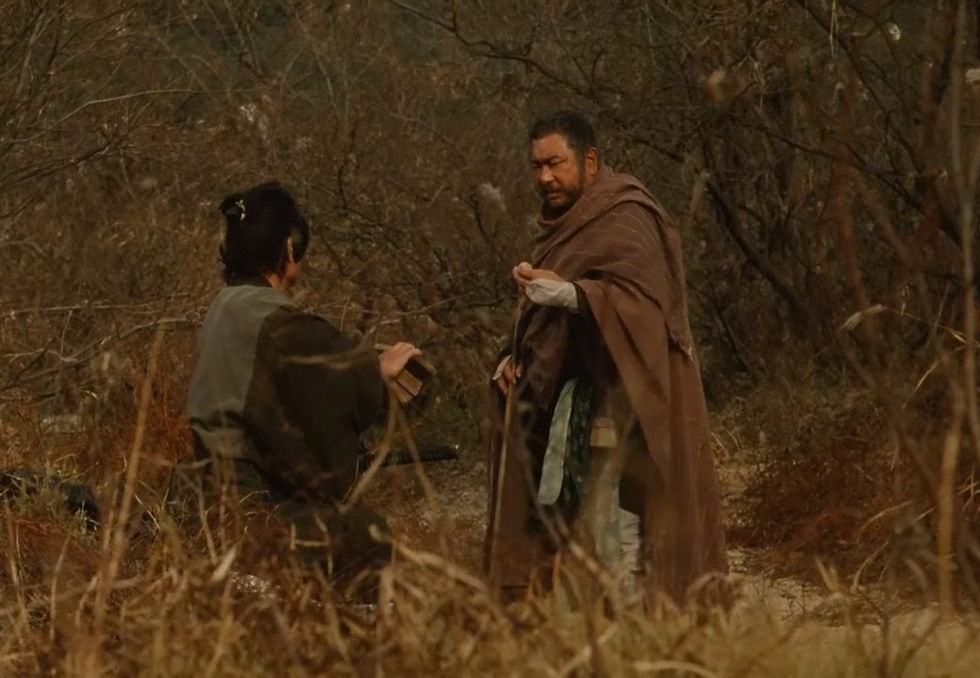
A belief of long hiatus, which came to me from nowhere, made me to watch the final movie about blind swordsman. It calls Zatoichi (1989). The leading actor Shintaro Katsu became a producer, but also believed he can take functions of writer and director, which he had involved before, but I can’t write anything about that due to I didn’t watch these movies, while in that flick I experienced rawness. There was some freshness as his another play dices (though who knows what was in passed chapters and TV series) and a lovable English song, but that was about it. Zatoichi is almost two hours in length, and it’s a lifeless movie with soulless and underdeveloped personages who act without purposes and scenes don’t make connection between each other and accept for separated. The action wants to be inventive but forgets to think. I’m apologize, but when the lead character has the final sword fight with dozens of people, he takes hiding wrapping himself into a bamboo screen, and one of foes has a sudden desire to use that exact spot as a bathroom, but he gets impaled by blade in beginning of that – it was one of many of examples in the action.
As always, it’s about talent and artistry, which were a rarity in these series.